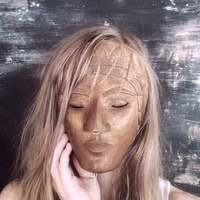
on pleasure: infrastructure & invective
by pan, by puck or by Tokyo toilet, by Pan’s
eye polyamorous, polyvoracious maw
what briarpatch you calliper, sister sufficiency
or savage desire, oh my, this bidet enak
//
but i say more, if words be granted girls
or fish freeze-dried and rendered fatty string
O let me be your hollow chocolate, gold tinfoil
your lie swum-in for truth, your magic trick
O let me be soggy sashimi, porn under plastic
and when did pleasure stop witnessing the true
when angled by the tower’s unfunny retinue
ripe plums made massacre, her metaphor for you
and what does every girl hold in her heart
or breathing torn from her before she’s two
her body, pleasure, joy — inalienable
if pearl, self-mediation from the start
since when is iron more your shape than living flesh
and how long since eternal became momentary, dense
in you, who shimmers through your translucent skin
and whose name do you call when taken by the wind
and does your lover slice and plate your fruit
as offering, for light, cat, goddess spread out in bed
the ocean take what verb you use, cliché or clamshell hid
but give Aphrodite her fucking due
//
Socrates: (cont.) and again, if you wish, the good breath (eupnous) of the place, how sufficiently amicable (agapeton) and violently pleasurable (sphodros hedu) it is
// 230ξ
εἰ δ᾽ αὖ βούλει, τὸ εὔπνουν τοῦ τόπου ὡς ἀγαπητὸν καὶ σφόδρα ἡδύ
//
This resists translation and contains a noetic pleasure puzzle.
Eu + pnous, literally good breath, figuratively good breeze, seems to be a pun or wordplay on eu + nous, which would mean good intellect. The other two predicates — agapeton and sphodros hedu — are a pair of nearly conflicting pleasures. Agapeton describes a moderate and measured affection, whereas sphodros hedu describes a kind of pleasure (intense, vehement, violent) that lacks measure and is infinite; see Philebus 52c.
The hint is that the place itself (tou topou) possesses something akin to intelligence, or something akin to a soul, which can provide both finite and infinite pleasures, and perhaps inspires both finite and infinite love or desire. But only, he specifies, if you wish.
//
cramp
again the girl, again her edge of pain
holy immovable inside the nervous frame
and offering that traces her own name
the hieroglyphic river catching flame
//
Socrates: (cont.) and by the girls and the statues it seems to be the temple (hieron) for some kind of Nymphs and of Achelous
// 230β
Νυμφῶν τέ τινων καὶ Ἀχελῴου ἱερὸν ἀπὸ τῶν κορῶν τε καὶ ἀγαλμάτων ἔοικεν εἶναι
//
Hieron can be read as temple/holy place and as victim/sacrifical offering. Achelous was a shape-shifting river god.
//
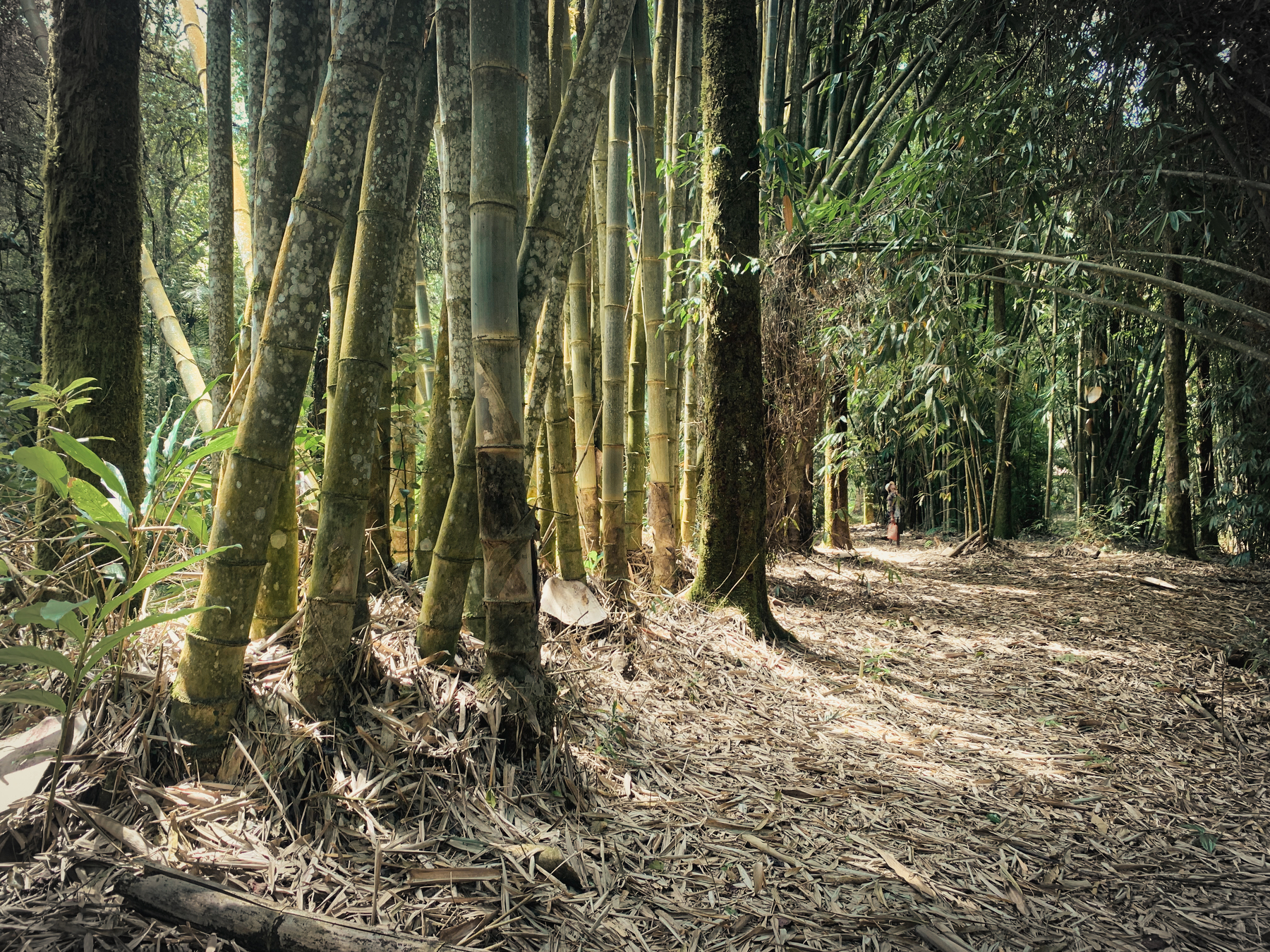
way //
cool
the river touching one is touching two
as ribbons come undone, the red, the blood
we didn’t need a priest to make it true
the cool is spilling multitudes of blue
//
scent
no sweeter nothing making than a flower
sustaining tension, fluttering on the wing
Papilio memnon round lemon-balmy vervain
by ghost of anther’s end, the probing hour
//
the mallow sea
sleeping moons in a plastic spoon
slip them into the watcher’s tea
undertow and the lunar noon
float away on a mallow sea
loo, loo-loo, the empty sea
loo, loo-loo, the mallow
a fooly tumbles on her head
a froggy for the willow tree
fall down into the green grass bed
sail away on a bumble bee
loo, loo-loo, the bumble bee
loo, loo-loo, the mallow
a fairy’s wing in every room
a pocket for the marble sky
fluff the pillow and sweet the broom
softer than a glow worm
loo, loo-loo, the marble sky
loo, loo-loo, the mallow
sleeping moons in a plastic spoon
slip them into the watcher’s tea
undertow and the lunar noon
float away on a mallow sea
loo, loo-loo, the empty sea
loo, loo-loo, the mallow
//
🌕
//
mallowtonin
&
pour notre
voyeur
//
hag-seed
4 all
//
Socrates: (cont.) and of the chaste tree, the height and the dense shade are entirely beautiful
// 230β
τοῦ τε ἄγνου τὸ ὕψος καὶ τὸ σύσκιον πάγκαλον
//
Vitex Agnus-castus or chaste tree was associated with rituals for Hera and Demeter and medicinally, since ancient times, with women’s reproductive health. The name of the tree (he agnos/agnos) means sacred, holy, pure, chaste.
//

selfie with frog eggs //
Socrates: (cont.) this platanos tree is hugely wide-spreading (amphilaphes) and high (hupselos)
// 230β
ἥ τε γὰρ πλάτανος αὕτη μάλ᾽ ἀμφιλαφής τε καὶ ὑψηλή
//
new years 2026
i witness your erosion through the glass
my history disappearing by the hour
and snow consumes to whiteout; i am cold
turned witless by distance and disbelief
and there are no more familiar houses, faces
are spreading, thinning, greying, pale, the young
mere vanishing into the adult flood, like
we didn’t want any of it
the cruiseliner is sinking into sand
nobody made the call, nevertheless
it’s all you ever say; whoever has a camel
hard fast to roll the tents and carry it
how do you chase your longing through the dunes
and did her caravan leave any trace
or do you doubt if she was ever there
or do you see her in the doe, the goat, the raven
do you become her in the cursive carved
by thirst, the desert bridegroom winding through
until you haunt the edges of their encampment
inhuman as the hajj, kin to al-Shanfara
locals popping-off begin at dusk
explosions quickening unevenly
as child-sized rockets into midnight, when at once
fireworks engulf the island, terrifying animals
i turn a light on for the chickens
Black Ajax has fallen out of his black tree
he gibbers darkly as he hobbles toward me
the light, a blacker perch; gibbering, i walk him through it
//
selamat tahun baru🥂
//
our chickens are
most junglefowl
we don’t fight them
as, with cocks, is done
but they are fighters
//
hark
to hear the tonic of their nightly play
as love is changing eyes in light of day
and who the lover, who beloved, held
as shade made young again, the poet shade
sweet length possessed translucency of leaves
and valley shelters longing’s grave delight
how sheer the veil betwixt the true is made
and barefoot is their tender-stepping sight
inscript resounding hollow as a tomb
body beholding spring again and bright
green heart grows whole again, the tree un-felled
for midnight girls around a golden wound
//
🌔
//
stable horses
night rising
wave
//
Socrates: well if i distrusted, as do the wise (hoi sophoi), then i wouldn’t be placeless (atopos); then i would wisely (sophein) declare that it was the wind itself of Boreas that thrust her down from the nearby rocks as she was playing with Pharmakeia, and in this way it ended up (teleutein) said that she came to be (gignomai) carried away by Boreas — or else from the hill of Ares; for this story (logos) is also told, that she was carried away from that place and not from here
as for me, O Phaedrus, while otherwise i suppose such as these to be graceful, yet they belong to an exceedingly terrible (deinos) and laborious (epiponos) and not altogether (panu) fortunate (eutuches) man; for no other reason than that for him it’s necessary after this to re-stand up (epanorthousthai) the form (eidos) of the Hippocentaurs, and then again that of the Chimaera, and then out flows a throng of things such as Gorgons and Pegasuses and multitudes of additional impossibilities (a-mechanos) and of such things giving birth (phuein) to placeless (a-topia) storytellings of monsters (teratologos) . . .
if someone, distrusting these, will make each come nearer to a likening (eikos), as if consulting (chraein) some kind of rustic (agroikos) wisdom, he will lack much leisure (schole) for himself; but for me, there is no leisure at all (schole) for these things; and the cause, O beloved, of this, is this —
i am not yet able, according to the Delphic inscription (gramma), to know myself; it appears to me really laughable, not yet knowing this, to examine (skopein) alien things (allotria); from which, saying farewell and letting these be, and being persuaded by the customary belief, which i was just now saying, i examine not these but myself; whether my fortune is to be some beast even more many-twisted (polu + plekein) and inflamed (epituphomai) than Typhon, or to be a gentler (hemeros) and simpler (aploos) animal, by nature sharing in some part of what is divine and not feverish (a-tuphos)
but, O sistere (etaire), in the midst of words — wasn’t this the tree to which you were leading us?
Phaedrus: this indeed is really itself
τοῦτο μὲν οὖν αὐτό
//
my hollow
your darkness and your might invisible
to me, my pale eyes sun shy, your body
at noon, under pitched roof these lines
of wood i measure, cut, re-stood you up
to feed an appetite for shade, i am
a miracle for trees; and what i build i must
maintain, stretching, pressing, inhaling
every season warping edges, exhale down
shelter; my daily coir, your angle slant
corporeality; my hollow here
and where to see you, if, once i’d grown
my fill of this inside, the outside known
by doorways, windows, the tunnels ants dig
out foundation for the sponge, this marrow
empty nest of the mud wasp, left dust
unsettled; your crevice, my cusp, bright-daggered
lapses; your love letters, my red rose
replies; a jepun tree grows over my grave
shaggy roots to the unscripted bone, home
to fallen flowers light on my unmet nature
//