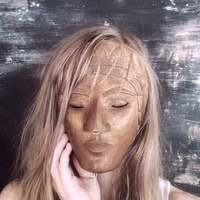
Ceremony
scent
no sweeter nothing making than a flower
sustaining tension, fluttering on the wing
Papilio memnon round lemon-balmy vervain
by ghost of anther’s end, the probing hour
//
the mallow sea
sleeping moons in a plastic spoon
slip them into the watcher’s tea
undertow and the lunar noon
float away on a mallow sea
loo, loo-loo, the empty sea
loo, loo-loo, the mallow
a fooly tumbles on her head
a froggy for the willow tree
fall down into the green grass bed
sail away on a bumble bee
loo, loo-loo, the bumble bee
loo, loo-loo, the mallow
a fairy’s wing in every room
a pocket for the marble sky
fluff the pillow and sweet the broom
softer than a glow worm
loo, loo-loo, the marble sky
loo, loo-loo, the mallow
sleeping moons in a plastic spoon
slip them into the watcher’s tea
undertow and the lunar noon
float away on a mallow sea
loo, loo-loo, the empty sea
loo, loo-loo, the mallow
//
🌕
//
mallowtonin
&
pour notre
voyeur
//
hag-seed
4 all
//
Socrates: (cont.) and of the chaste tree, the height and the dense shade are entirely beautiful
// 230β
τοῦ τε ἄγνου τὸ ὕψος καὶ τὸ σύσκιον πάγκαλον
//
Vitex Agnus-castus or chaste tree was associated with rituals for Hera and Demeter and medicinally, since ancient times, with women’s reproductive health. The name of the tree (he agnos/agnos) means sacred, holy, pure, chaste.
//

selfie with frog eggs //
Socrates: (cont.) this platanos tree is hugely wide-spreading (amphilaphes) and high (hupselos)
// 230β
ἥ τε γὰρ πλάτανος αὕτη μάλ᾽ ἀμφιλαφής τε καὶ ὑψηλή
//
new years 2026
i witness your erosion through the glass
my history disappearing by the hour
and snow consumes to whiteout; i am cold
turned witless by distance and disbelief
and there are no more familiar houses, faces
are spreading, thinning, greying, pale, the young
mere vanishing into the adult flood, like
we didn’t want any of it
the cruiseliner is sinking into sand
nobody made the call, nevertheless
it’s all you ever say; whoever has a camel
hard fast to roll the tents and carry it
how do you chase your longing through the dunes
and did her caravan leave any trace
or do you doubt if she was ever there
or do you see her in the doe, the goat, the raven
do you become her in the cursive carved
by thirst, the desert bridegroom winding through
until you haunt the edges of their encampment
inhuman as the hajj, kin to al-Shanfara
locals popping-off begin at dusk
explosions quickening unevenly
as child-sized rockets into midnight, when at once
fireworks engulf the island, terrifying animals
i turn a light on for the chickens
Black Ajax has fallen out of his black tree
he gibbers darkly as he hobbles toward me
the light, a blacker perch; gibbering, i walk him through it
//
selamat tahun baru🥂
//
our chickens are
most junglefowl
we don’t fight them
as, with cocks, is done
but they are fighters
//
hark
to hear the tonic of their nightly play
as love is changing eyes in light of day
and who the lover, who beloved, held
as shade made young again, the poet shade
sweet length possessed translucency of leaves
and valley shelters longing’s grave delight
how sheer the veil betwixt the true is made
and barefoot is their tender-stepping sight
inscript resounding hollow as a tomb
body beholding spring again and bright
green heart grows whole again, the tree un-felled
for midnight girls around a golden wound
//
🌔
//
stable horses
night rising
wave
//
Socrates: well if i distrusted, as do the wise (hoi sophoi), then i wouldn’t be placeless (atopos); then i would wisely (sophein) declare that it was the wind itself of Boreas that thrust her down from the nearby rocks as she was playing with Pharmakeia, and in this way it ended up (teleutein) said that she came to be (gignomai) carried away by Boreas — or else from the hill of Ares; for this story (logos) is also told, that she was carried away from that place and not from here
as for me, O Phaedrus, while otherwise i suppose such as these to be graceful, yet they belong to an exceedingly terrible (deinos) and laborious (epiponos) and not altogether (panu) fortunate (eutuches) man; for no other reason than that for him it’s necessary after this to re-stand up (epanorthousthai) the form (eidos) of the Hippocentaurs, and then again that of the Chimaera, and then out flows a throng of things such as Gorgons and Pegasuses and multitudes of additional impossibilities (a-mechanos) and of such things giving birth (phuein) to placeless (a-topia) storytellings of monsters (teratologos) . . .
if someone, distrusting these, will make each come nearer to a likening (eikos), as if consulting (chraein) some kind of rustic (agroikos) wisdom, he will lack much leisure (schole) for himself; but for me, there is no leisure at all (schole) for these things; and the cause, O beloved, of this, is this —
i am not yet able, according to the Delphic inscription (gramma), to know myself; it appears to me really laughable, not yet knowing this, to examine (skopein) alien things (allotria); from which, saying farewell and letting these be, and being persuaded by the customary belief, which i was just now saying, i examine not these but myself; whether my fortune is to be some beast even more many-twisted (polu + plekein) and inflamed (epituphomai) than Typhon, or to be a gentler (hemeros) and simpler (aploos) animal, by nature sharing in some part of what is divine and not feverish (a-tuphos)
but, O sistere (etaire), in the midst of words — wasn’t this the tree to which you were leading us?
Phaedrus: this indeed is really itself
τοῦτο μὲν οὖν αὐτό
//
my hollow
your darkness and your might invisible
to me, my pale eyes sun shy, your body
at noon, under pitched roof these lines
of wood i measure, cut, re-stood you up
to feed an appetite for shade, i am
a miracle for trees; and what i build i must
maintain, stretching, pressing, inhaling
every season warping edges, exhale down
shelter; my daily coir, your angle slant
corporeality; my hollow here
and where to see you, if, once i’d grown
my fill of this inside, the outside known
by doorways, windows, the tunnels ants dig
out foundation for the sponge, this marrow
empty nest of the mud wasp, left dust
unsettled; your crevice, my cusp, bright-daggered
lapses; your love letters, my red rose
replies; a jepun tree grows over my grave
shaggy roots to the unscripted bone, home
to fallen flowers light on my unmet nature
//
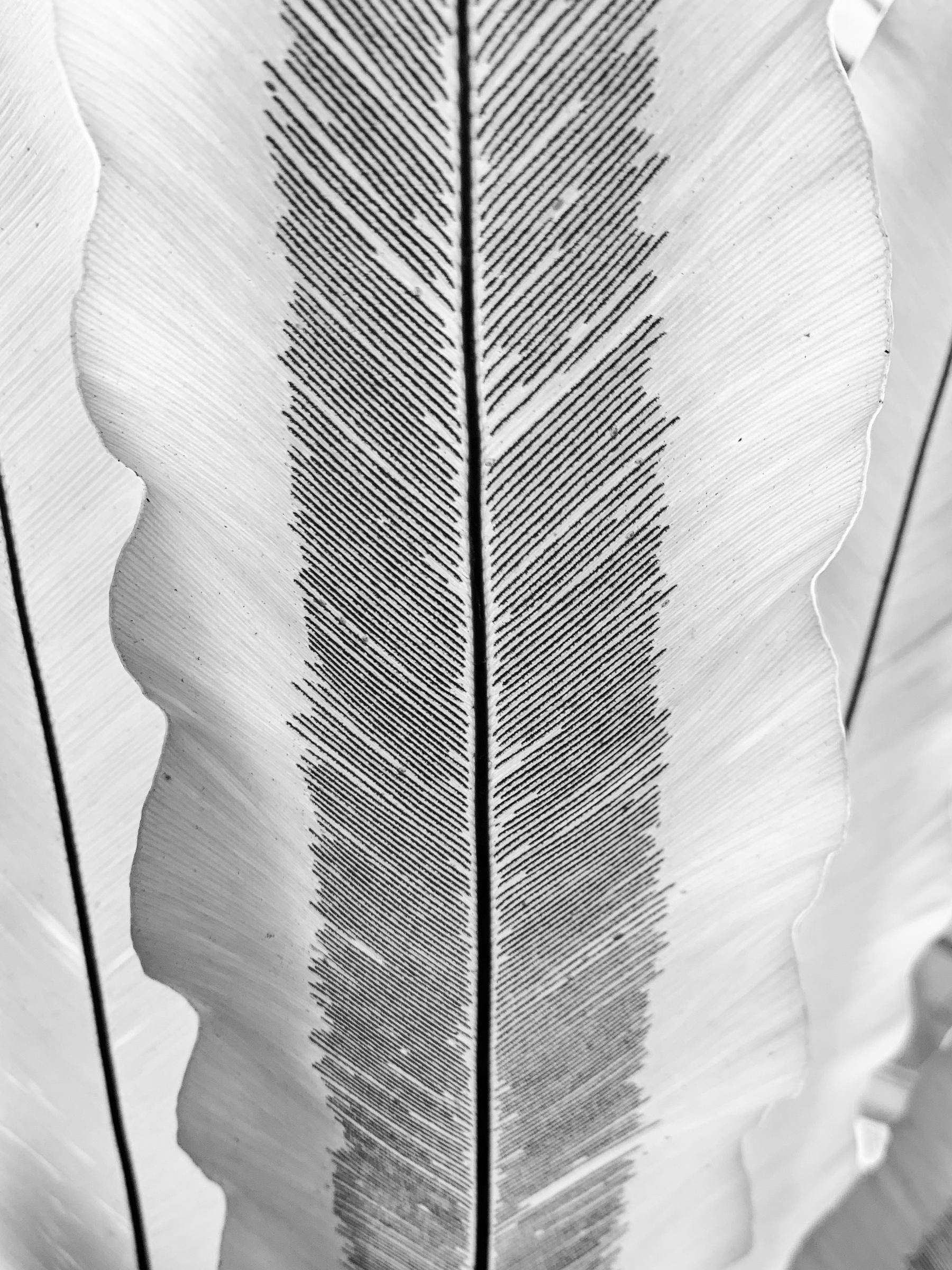
love letters //
Socrates: (cont.) by nature partaking in some part of what is divine and not feverish (a-tuphos)
// 230α
θείας τινὸς καὶ ἀτύφου μοίρας φύσει μετέχον
//
Wordplay in recent clauses turns (twists?) around τύφω (tuphein — to smoke, fill with smoke), the related τῦφος (tuphos — smoke, vapor, delusion, vanity, nonsense, fever), and the monster Typhon; as well as a slanted alternative between polu-plekein and a-ploos, to be either a many-twisted (e.g. complex) or an un-folded (i.e. simple) thing.
//
the seams of Saint Veronica
i was digging in the garden
i was rooting up a rose
dreaming of a buried bone
listening to my nose
i sewed your face into it
and you told me no
my unclean mystery
i’m tearing up tatami
do you need the dog in me
should i paw at your door
i was sniffing in a corner
now i’m passed out on the floor
i smell like cat piss
i’ve been running in the rain
what is your mercy for
a reckoning of typhons
i’m in a foreign country
and i never knew a law
i weep at every stranger
my long tongue and stupid jaw
you don’t even want it
until you’re dying
and you don’t look at me
i miss you only
wandering the streets at night
‘cause good girls love to roam
and if i lost my reason
would i find you at home
all your mixed signals
i chew them into air
your body is so visible
bones buried everywhere
the wooden cross you carry
the weight on trembling knees
how do you carry crosses
if you don’t believe in trees
why do i bury them
why am i depressed
why am i in your garden
my garden is a mess
six angry shades of rosary
and every count has thorns
and if i turn the light on
what takes a shadow’s form
and could i fight it
or am i just a bluff
my smoke at midnight
my nothing is enough
three verticals upon the hill
at dawn there’s five or more
their arms the work of windmills
guardians of metaphor
vermilion edges
my painterly lines
flashing iridescence
my greener stigmata
the seams of Saint Veronica
the tilt of her golden leaf
and if the suffering savior
had denied her that relief
beloved breaking
my faltered knowledge
she’s in the dirty street
the hounds of resurrection
//
(a song /
a howls)
//
my dog sings
and my gremlin
speaks in iambs
or
currently reading:
The Tempest
//
hot snow woman
somewhere it’s christmas, but i’m here doing laundry
we both know how dangerous that can be
my favorite things to wash are sheets and towels
they come out white-hot, bright and steamy clean
and ready to be hung under this unseasonable sun
so sincerely unmeaning for any meaning at all
my simple chore, and not to drop or drip on them
as i un-wring the nubby cotton yoga blanket
disentangling from the rub of its late flood, to spread
and pin it on the line, adjusting ends to dry evenly
folding my prior load, i’ll tell you just what i find
my daily yoga tops, lavender python, yes really
sky blue, white puff, navy with golden stars, poly girly
turquoise-violet mermaid scales and hippie daisies
for yoga shorts, mens bamboo boxer-briefs, all black
emblazoned with italian-style logo, pasti lokal
for underwear, i’m mostly cotton, occasionally lace
synthetic demi-nude or translucent net; pink pastel
or robin’s egg with winking flowers and creamy camisoles
i barely wear a bra; that’s fairly reflected here
two oversized linen shirts, menswear, light blue
pinstripes, for my free-flowing shade, or undyed natural
two oversized soft flannel, menswear, blurry plaid
my cozy-in at night, for when the wind blows colder
their warmth imbued with an intense nostalgia
loose pants of rayon blend, tie-dyed in earthy tones
i buy these from a lady near our favorite resto
sweets for the maskmaker, as village mothers often do
he charms their socks off and gets us lightning deals
i mend them into scarves when seams rag, and re-up yearly
i fold it all, attending to the shape and size, to fit
into created places on the shelf; it doesn’t spill over
we don’t have too much; for every piece there is a tell
the other morning a hornet was sleeping on a pillow
and buzzing slushy, bristle or tickle, firecat feels real
but i’m a snow woman today, or if i’m melting
i’m doing what i do on any other day, heat swelting
i’m touching and holding nothing that isn’t here
and by the nothing that is or isn’t, who or where
being beheld or leaving somewhat damp, unfolded
//
perverse
like my uncle
x Hot Frosty
//
🌒
O sunrisen sand
lit warm on a surfer
for holistic kitchen
on bent-knee receipt
her despite respite
libris libraque
//
Socrates: (cont.) whether my fortune is to be some beast (therion) even more many-twisted (polu + plekein) and inflamed (epituphomai) than Typhon
// 230α
εἴτε τι θηρίον ὂν τυγχάνω Τυφῶνος πολυπλοκώτερον καὶ μᾶλλον ἐπιτεθυμμένον
//
leaves like stars
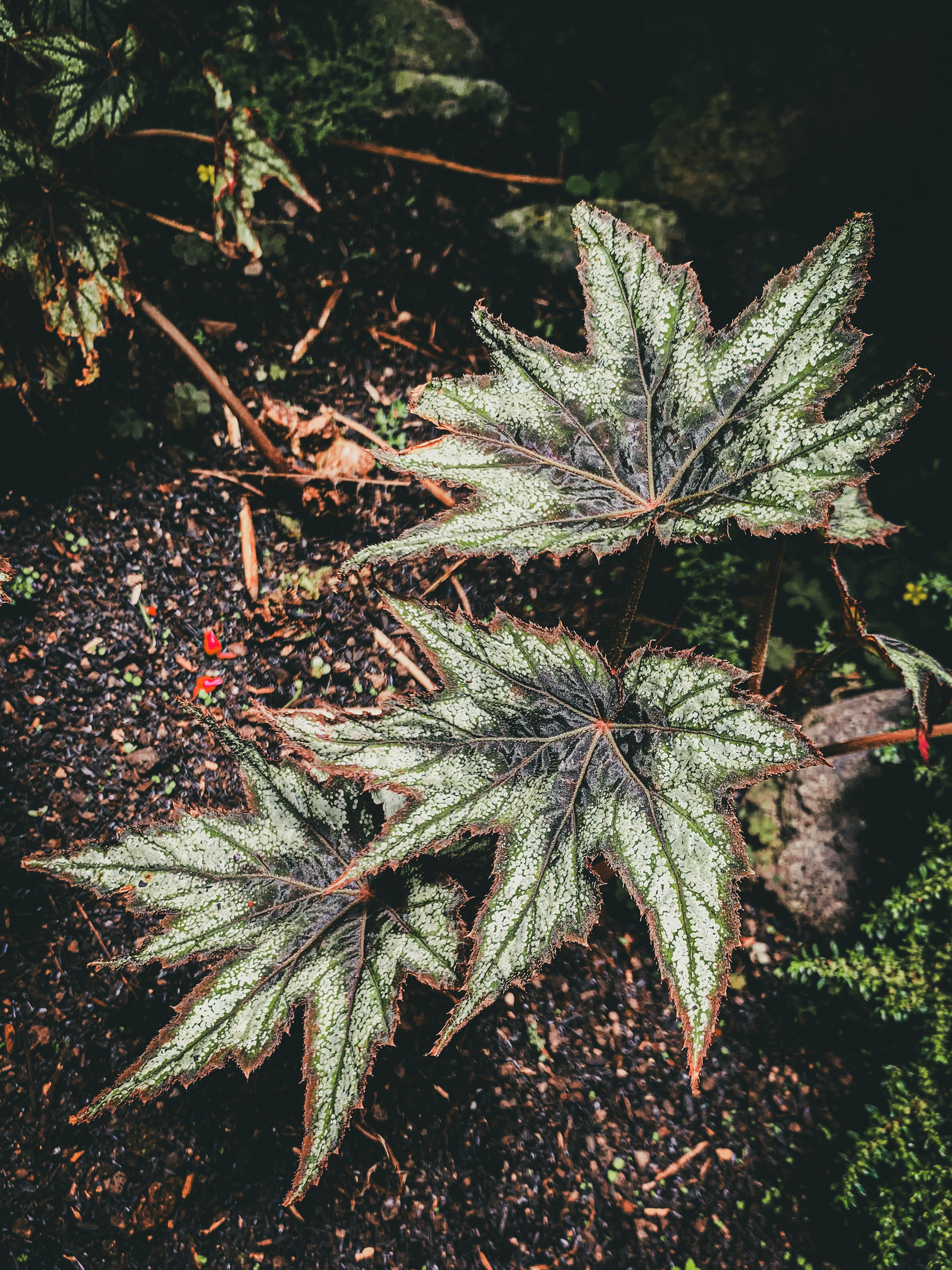
leaves like stars
for wonder gazers
scrappy chasers
a hot day, here
the emerald belt
for kept begonias
weathering arms
of atmosphere
heart of Antarctica
across the room
blurry
melting
pinkish
patient
//
selamat Natal 🌟
//