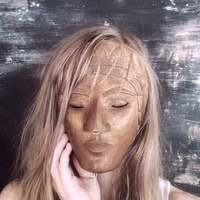
Ceremony
Phaedrus: (cont.) but tell me by Zeus, O Socrates, are you persuaded that this myth-speech (mythologema) is true?
// 229ξ
ἀλλ᾽ εἰπὲ πρὸς Διός, ὦ Σώκρατες, σὺ τοῦτο τὸ μυθολόγημα πείθῃ ἀληθὲς εἶναι;
//
the lost marble & spice trade
the lost marble
news is, bad flooding in Sumatra; so i
put down my pen, examine my hands
and feel myself a chimpanzee that lost
its marble by these ten irresoluble things
compulsion as a typhoon turns its form
an eye that cannot hear; in filthy flux
a child clings to the minaret of a mosque
i have no word to turn it from its path
is every child the same across the globe
a digit hugging-to against the storm
inherent heart against the deafening blow
an act of curling tight to one held poem
so poet-magus turns her glass from one
true child to ten imaginary orphans just—
as here, as typhoon where, and whether i
was drowning in the sum of what they did
there was a marble somewhere in the mud
ten fingers prying ceaselessly for air
don’t let me be the word to cause a flood
don’t turn me like an eye without an ear
//
diptych
of survival
InsyaAllah
//
spice trade
you know we taste the weather of a word
or housewife by her sambal, like bitter salt
this kitchen hell and getting warmer, mad
desires to let out; adventuring to eat
a journey to her inward, fine-tuning cook
is converse travel whereby stirring builds
a tragic tongue to name her worldly khas
enchanting handfuls for like memory cast
seduction; spice trade, her nightly shedding veil
far-fishing season monger Sheherazade
queen turning by tantalized infinities
survivor storming mercy from the heat
//
sambal tomat
9 cloves garlic
11 purple shallots
23 birds-eye chillies
3 tomatoes
1 tsp salt
1 Tbsp lontar palm sugar
coconut oil for frying
cut the garlic, shallots, chillies, and tomatoes into small chunks; heat a generous glug of oil in a wok or frying pan over medium-high flame; stir-fry garlic, shallots, and chillies until sweated and fragrant, around 60 sec; add tomatoes, stir-fry another 15-30 sec so they lose their rawness; remove from heat, add salt and sugar, cover loosely (for bugs and geckos) and allow to cool; blitz with a stick blender, blender, or mortar and pestle until smooth but still textured; accompanies anything; refrigerate leftovers.
can make a big approx triple batch with one lovin’ handful garlic, two judicious handfuls shallots, three or four reckless handfuls of chillies, 9 tomatoes, etc.
notes:
bawang merah were called purple shallots in the USA but maybe something else in other places; size here is variable around 1-inch.
cabe rawit are called birds-eye chillies elsewhere; the small but plump yellow/orange/red ones have a fruity heat and are better for this than green chillies. don’t skimp on chillies because heat balances sweet; neutralize heat with extra nasi to build tolerance; adjust proportions over time to develop family khas.
don’t skimp on garlic; needs garlic.
locals use ubiquitous plum tomatoes but i prefer small- to medium-sized globe tomatoes, which render best umami with the brief cook time.
gula merah or red sugar from the lontar palm is bought in solid form and grated before use; could sub jaggery or earthy brown sugar; rich and buttery like caramel.
//
Socrates: no, but some two or three stades down, where we cross over toward the one in Agra; and somewhere around there in that spot is an altar of Boreas
// 229ξ
οὔκ, ἀλλὰ κάτωθεν ὅσον δύ᾽ ἢ τρία στάδια, ᾗ πρὸς τὸ ἐν Ἄγρας διαβαίνομεν: καὶ πού τίς ἐστι βωμὸς αὐτόθι Βορέου
//
Agra (the word means both “the hunt” and “the prey”) probably names the place of a temple to Artemis Agrotera (the Huntress) on the Illisus river.
//
sharps & feathers //
sticky
i’m sticky after practice but i
can’t shower yet because thunder
drawbacks to living in paradise
and having an outdoor shower
just a reminder in case you forgot
my inbox is open, no less to a friend
this is your day, you wish, i follow
each morning impressed to find her hollow
especially to say happy birthday
//
Phaedrus: (cont.) anyway the waters appear graceful and clear and transparent and made (epitedeios) for maidens to play (paizein) beside it
// 229β
χαρίεντα γοῦν καὶ καθαρὰ καὶ διαφανῆ τὰ ὑδάτια φαίνεται καὶ ἐπιτήδεια κόραις παίζειν παρ᾽ αὐτά
//
greener lunar & glimmer
at dusk the unrequited grey finally weeps
and as i light my evening stick i see
a dragonfly, cool silver of the lasting day
geometer over the dimpling waterway
i count four nights until purnama again
her waxing time a misty studied book
like meaning in mossy witness a surprise
somnambulant for solar exercised
not jealousy her promise to conceal
deep cedar heavens the greenest flesh of me
weed pregnancy crescenting fernery
the bitter ocean growing wider, closer, fuller
my dream is not my dream; a greener lune
is shadow to be read through algal water
diagonals hunt her evolutionary square
boys hover over tears to catch a glimmer
//
🌔
//
the book itself
invoking maiden game
as female stupor is, i swear
moon’s blood misnamed
blasphemy
her temple ceiling
drinking from the sky
and evergreening walkers hear
the name: grow taller
//
notes from Kuningan
morning hari raya / upacara / island turning // take the blessing / by notation / if i may // Pak and Bu S— / morning offering / shrine at home // rains a little / as we are greeting / laugh it away // i place the canangs / with lit dupa / ini di bawa, ini di atas nggih // with shredded pandan / shoo the cats away / the kue is not yours // then time for dressing / always late again / ceremonial demand // kebaya sunny yellow / olive peacock batik, gift from Ibuk / mauve selandang // polyester lace is tight / not my usual / glossy korean lipstain (bare fig) // to Penestanan / in the car now / windows down barricade // traffic pecalang / all day this way / Bali holiday // people fill the street / everyone is smiling / they recognize our face // he knows everyone / stops for everyone / a face for everyone // salam for everyone / friend for everyone / how many promises to mampir // banjar clear / on the way again / ceremony in the air // double-park the car / the cock-fight corner / across from pura dalem // at our old place / pandemi family / second home again // pass your body / around the family / salim for elders / salim from little ones // receive the bodies / moms and sisters hold you / feel you and pat your curves // meet Blih’s girlfriend / she seems good for him / marriage when // Ibuk Penestanan / enduring smiling / to see my face // she brings us coffee / kripik and kue / water from warung // and i’m too rare here / somewhat guilty / the intensity // the affection, her skin is so fair / but not too fair, she’s looking healthy / they note some extra weight // under comment / they discuss me / i endure // Bapak L— / talking death again / Mase scolding him // six large koi / in a clean but crowded pond / tadpoles nibbling at their scales // Mbok A— is here / older sister / the secrets she endures // heroic / (…) / by another woman // the delicate child / slender hand held / so as not to disappear // he takes my phone / for an interval / makes us watch a video // sea monsters suddenly / el gran maja versus the bloop / this detour for a while // softest fingers / feathering the touch screen / when he was small he didn’t talk // he couldn’t look at us / he wouldn’t speak to us / he ran away // now he’s outbound / needs to show us / sea monsters a serious event // an old mango tree / outside the home gate / branching over the street // when they ripen / he climbs to take them / no apparent fear // all day people passing / in the street below / teenagers outside the minimart // boys in udengs / girls in kebaya / all wearing sarungs // and then it’s coming / time to prepare / baskets and the flame // at the front steps / there’s a mat there / we kneel on it // kebaya itchy / sarung binding / squeeze onto my knees // off my sun hat / off my sunglasses / pale under the sky // the rain is clearing / by the rainworker / smoking his cigar // the women place the offering / burn the dupa / receive the blessing // remake the street / here come the god seat / make space for it // sound approaching / mangku rushing / the time is near // a flood of boys, boys, boys / marching sleeves rolled / red hibiscus in white udeng // here the mangku splashing water / wet blossom blessing / hands receive it // head receive it / face receive it / heart receive it, if it can // the passing concentration / bending flute line / twirling attention // pray the empty / pray the flowers / learn to pray // then we double it / give it happening / take a moment to form // now it’s coming / moving down the street / presence on the way // percussion heat / heart flame beat / bronze opening // bathe the flowers / in the smoking / fold them behind my ear // great gong agung / deep expanding / down belly through feet // make space for sesuwunan / come the barong / guardian of the street // women carry offering / towers balance on their heads / jeweled baskets overflow with cakes and fruit // see the dewa / vision loves them / eyes following // golden armor / grassy black mane / bulging eyes // then start shimmying / snapping teeth / shuffling the feet // flip-flops in the front / flip-flops in the back / shaggy with a bouncy tail // barong is dancing / attendants touching calves / steady exhausting underneath // forest guardian / body bearing sun-wheel / banjar medicine // then we follow / walk the family / take it through the street // walk with sesuwunan / holding hands again / don’t let him disappear // pray for island / pray for family / pray for banjar // boys are laughing / keep the music / challenging the air // in the made space / music opens it / opening is here // pray for earth / pray for spirit / pray down hard // see it feelingly / cracking open / then deplete // campaka blossoms / in barong beard / my favorite part of him // makes him handsome / red hibiscus / jepun ylang ylang
the fragrance / how it follows me / into the next day
//
Helena at the mirror
i want 2 read Aristotle
with u
in private
in Greek
i want 2 show u every word
i want us 2 go slow and thorough
i want 2 find the perfect way
words right thru until tomorrow
first the physics, then the ones
that come after the ones on physics
parts of animals before poetics
the lost books of poetics, too
O beloved flood of words
can we read clock-
wise and counter-
at once?
πολλαχῶς λέγεται τὸ ὄν
and don’t f—k it up
//
back in her bones, an animal holds
or is held by or stretched by
or broken or taken or raped by
or mended by the word
dismembering that ended carcass
and read like knives the one-way road
apart, a mince of sentences
by university of butchers
by that unkind yet counting world
where have they tipped the ante yet
i tremble to look at it
switching tabs to the deadly news
so walking the ramparts; yes, and
the corpses i see, or telegraphic
trick, the Sphinx’s vexing prize
that riddle i still can’t remember
//
and would we take up arms
against the legendary walls
of Troy, discrete infinities
by logic of desire
by Tyndarean oath
soulquaking fear
kinsplitting lust
or unendurable rage
and would we, trembling
turn the word around our grief
with blinded eyes, who work
the catastrophes of love
//
and who was she, her silk slippers
silent across the golden floor
the guarded pit of destined apple
lily white eye of the bloody storm
her syllables locked in a jewelry box
the whole word, world-ending woman
wordsmith of disinterested tools
worldsmith of sterile fiction
if she could only work it through
her desperate clarity for water
self remembering un-working war
a verb for herself wrung clean
but how she loved and if she did
then would she trust herself by daylight
and could she stand a beautiful nude
Helena at the mirror
//
and would we return true again
victorious from Troy
unbent, discrete infinities
by logic of desire
by twists and turns
by Hades passage
in our angry season
and Agamemnon, dead
and would we, trembling
turn the word around marriage bed
with blinded eyes, who work
the catastrophes of love
//
our organism element
our weaving waiting whom to see
low past the meadow, nettling
the rising and setting sun
the leaves are falling as you love
to be making music until sleep
from infant inhalation through
a rousing breath of song
these outward limbs are turning one
and inward twelve again, like pain
as stirring deep the earthy cauldron
bedroom of a virgin dream
and see the carp still strumming nerve
around the liquid shield for her
a flaming champion of rest
in the rolling river sphere
//
i want 2 b the brilliant word
with u
in the grove
approaching evening
she measures limbs of me by bird
my tragedy like comedy
she murders for imperfect love
and laughing plays me gently dead
as floating messengers of grass
deliver specks of sparkling pollen
to flutter nymphian hurricanes
and suckle clumsy in the flowers
do u know her now; of cursed word
flown round, pre-history again
swan daughter shining, self less law
of no returns, like poetry
ὦ φίλε Φαῖδρε, ποῖ δὴ καὶ πόθεν;
u b her lover 2
//
don’t b mad
at my posterior
analytics 4 u
hills of empties
not 2 much
& watch it thru
//
selamat hari raya Kuningan🌾
Phaedrus: tell me, O Socrates, isn’t it from someplace here by the Ilisus, it’s said that Boreas carried off Oreithyia?
// 229β
εἰπέ μοι, ὦ Σώκρατες, οὐκ ἐνθένδε μέντοι ποθὲν ἀπὸ τοῦ Ἰλισοῦ λέγεται ὁ Βορέας τὴν Ὠρείθυιαν ἁρπάσαι;
//
Boreas is the god of the cold north wind, storms, and winter; known for his abduction and rape of the Athenian princess Oreithyia.
filter //
piscean field
i dreamed i was a carp swimming in the moat
that runs around the bedroom catching raindrops
and you were watching me; i was pearlescent
moon-colored with orange spots, moving swiftly
and my slits are liquid lungs into my ears
my curves are cool and clear, my eyes lidless
and i have swallowed plants and animals
of increasing scope and dignity, growing swollen
and fleeting undulant, your vision touching
my sunspots flashing heat, turning fiery
and i was fishing flames beneath the flowing stream
my scales a watery brightness and a warmth
nobody could put me out, the thunder, the storm
your atmospheric range was permeated light
and i was breathing it, my gills touching silver
my veils a golden breeze, piscean field of pleasure
i remember jasmine in the ghosted air
and thicker even than the empire of frogs
the bellows of your eyes, how they inflame
my heart, and what catastrophes you initiate in me
//
🌒
//
O honey my
hidden shining
& my ovening
//
receipt
lemons limes
Trojan War
hijab silken
breeze woken
slant pigeon
red of wing
golden floor
keepsake for
her lioness
hijab burning
pulses turning
nostos yearning
]
]
]
]
method ender
plete returning
tender deliver
by river liver
taste radiant
of summer
//
other things said:
Hades?
//
for simple
yes, and
or
Achaean horse
& canto II
//